
Biography
The Life and Legacy of a Tribal Woman Warrior
Early Life
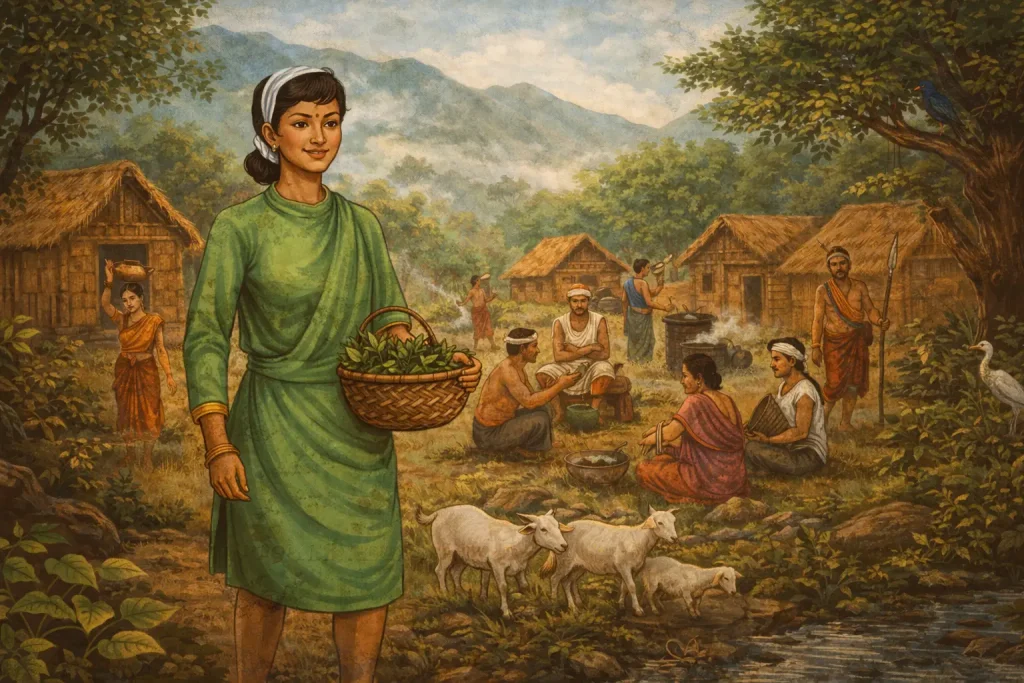
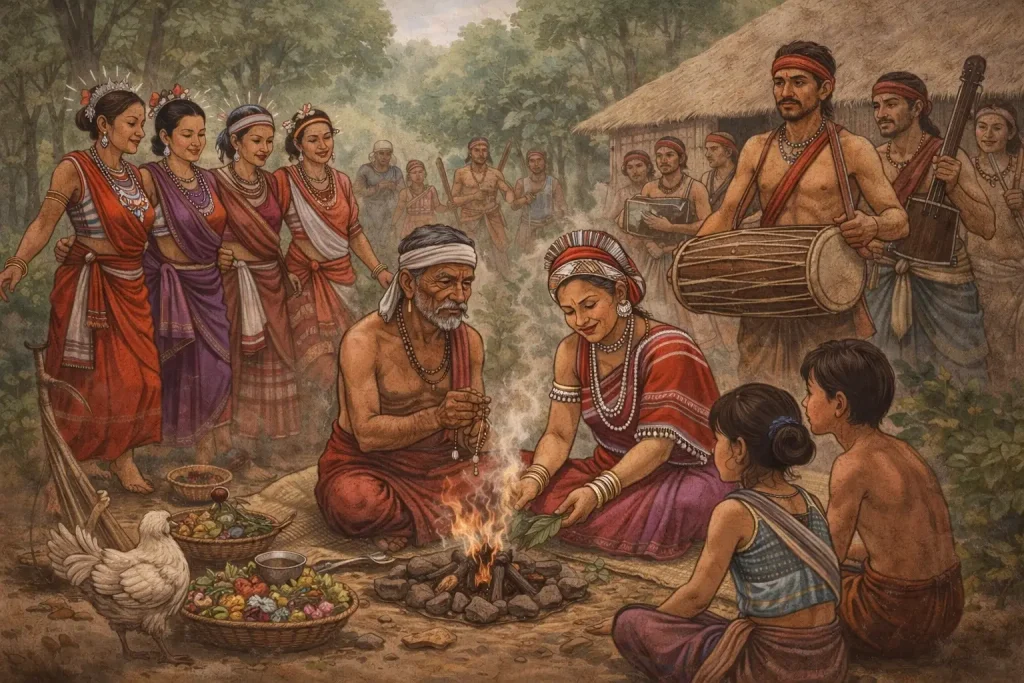
Singi Dai was born into a tribal community in the present-day Jharkhand region. She grew up in a culturally rich environment where tribal traditions, community unity, and respect for nature were deeply valued. From an early age, she absorbed the rich heritage of her people and understood the interconnection between land, culture, and identity.
Her childhood was shaped by the wisdom of tribal elders, the songs of her ancestors, and the sacred relationship her people maintained with their forests and lands. These formative years would lay the foundation for her extraordinary courage and leadership.
Cultural & Warrior Background
From an early age, Singi Dai learned traditional tribal survival skills, cultural practices, and community responsibilities. She was trained in tribal defence traditions and displayed remarkable leadership qualities that set her apart from her peers.
Unlike many women of her time, Singi Dai was encouraged to develop her combat skills and strategic thinking. She mastered traditional weapons, understood the tactics of resistance, and learned to rally her community in times of crisis. Her unique combination of cultural knowledge and warrior training made her an invaluable leader.
She was not just a warrior, but a keeper of tribal traditions, a guardian of her people’s dignity, and a symbol of the strength that women could bring to their communities.
Rise as a Woman Leader
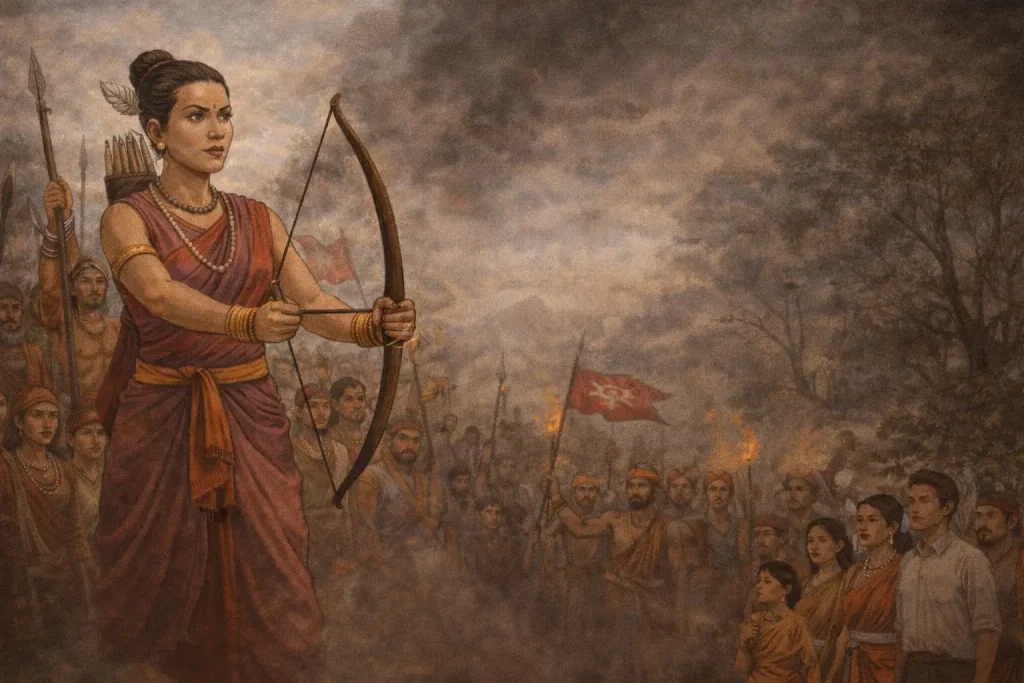
During times of external oppression and threats to tribal land and identity, Singi Dai emerged as a fearless leader. She recognized the danger that external forces posed to her community’s way of life and took decisive action to protect what her people held dear.
She organized tribal women and warriors to stand united against unjust forces that threatened their lands and autonomy. Her leadership was characterized by:
- •Strategic vision in planning resistance efforts
- •Inspirational communication that united communities
- •Moral courage to challenge oppressive systems
- •Commitment to preserving tribal culture and autonomy
Singi Dai became a symbol of courage and empowerment in tribal society, proving that women could be powerful leaders and protectors of their communities. Her rise challenged conventional norms and opened new possibilities for women’s participation in leadership and resistance.
Lasting Impact
Singi Dai’s legacy extends far beyond her lifetime. She demonstrated that indigenous women could be warriors, leaders, and strategists. Her life became a beacon of hope for tribal communities facing oppression and a source of inspiration for women seeking to claim their rightful place in history.
Today, she is remembered not just as a historical figure, but as a symbol of the ongoing struggle for indigenous rights, women empowerment, and cultural preservation. Her story continues to inspire new generations to value their heritage and fight for justice.