
Tribal Resistance Movement
Fighting for Land, Culture, and Indigenous Rights
What Was the Movement?
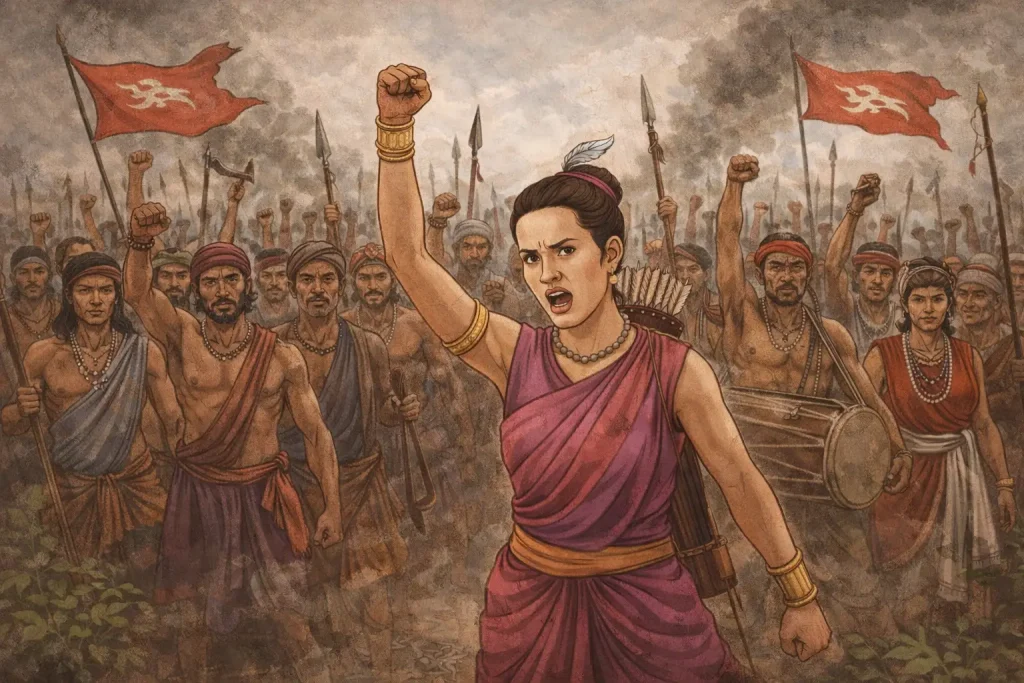
Singi Dai played a significant role in tribal resistance efforts when external powers attempted to control tribal lands, disrupt cultural traditions, and impose exploitation on indigenous communities. The movement was not merely a military campaign, but a comprehensive struggle to preserve the very essence of tribal identity and autonomy.
This was a movement born out of necessity—a response to existential threats to tribal existence. It represented the collective will of indigenous peoples to remain masters of their own destiny and guardians of their ancestral heritage.
Objectives of The Movement
Protection of tribal land and natural resources
Ensuring that sacred forests and ancestral lands remain under tribal control and stewardship.
Preservation of tribal traditions and self-governance
Maintaining the right to practice cultural traditions and govern themselves according to tribal customs.
Resistance against exploitation and injustice
Standing against systems that sought to exploit tribal peoples and extract resources without consent.
Empowerment and participation of tribal women in leadership
Recognizing and elevating the roles of women as warriors, strategists, and decision-makers.
Role of Singi Dai
Leadership & Strategy
Singi Dai led tribal women and warriors in defence and resistance efforts, developing strategic approaches to protect their communities and territories.
Inspiration & Motivation
She motivated communities to stand united against oppression, inspiring courage and determination through her own example and powerful words.
Cultural Preservation
She strengthened tribal unity and cultural pride by connecting resistance efforts to the broader mission of preserving tribal identity and heritage.
Symbol of Empowerment
She became a powerful symbol of courage and women empowerment, showing that women could be warriors and leaders in tribal society.
Impact of the Movement
The resistance movement led by Singi Dai had far-reaching consequences for tribal communities and the broader struggle for indigenous rights:
• Greater participation of women in tribal resistance movements and community leadership
• Strengthened indigenous community defence systems and tribal unity
• Preserved tribal autonomy and cultural practices in the face of external pressure
• Established a historical precedent for women’s leadership in indigenous communities
• Created a lasting legacy that continues to inspire indigenous rights movements